

A Complete Guide to the Southern Foothills of Yatsugatake in the Hokuto Area
Etiquette and Places to Visit for an Unforgettable Highland Escape Beneath the Stars
Table of Contents
A Highland Retreat of Forests, Springs, and Starry Skies
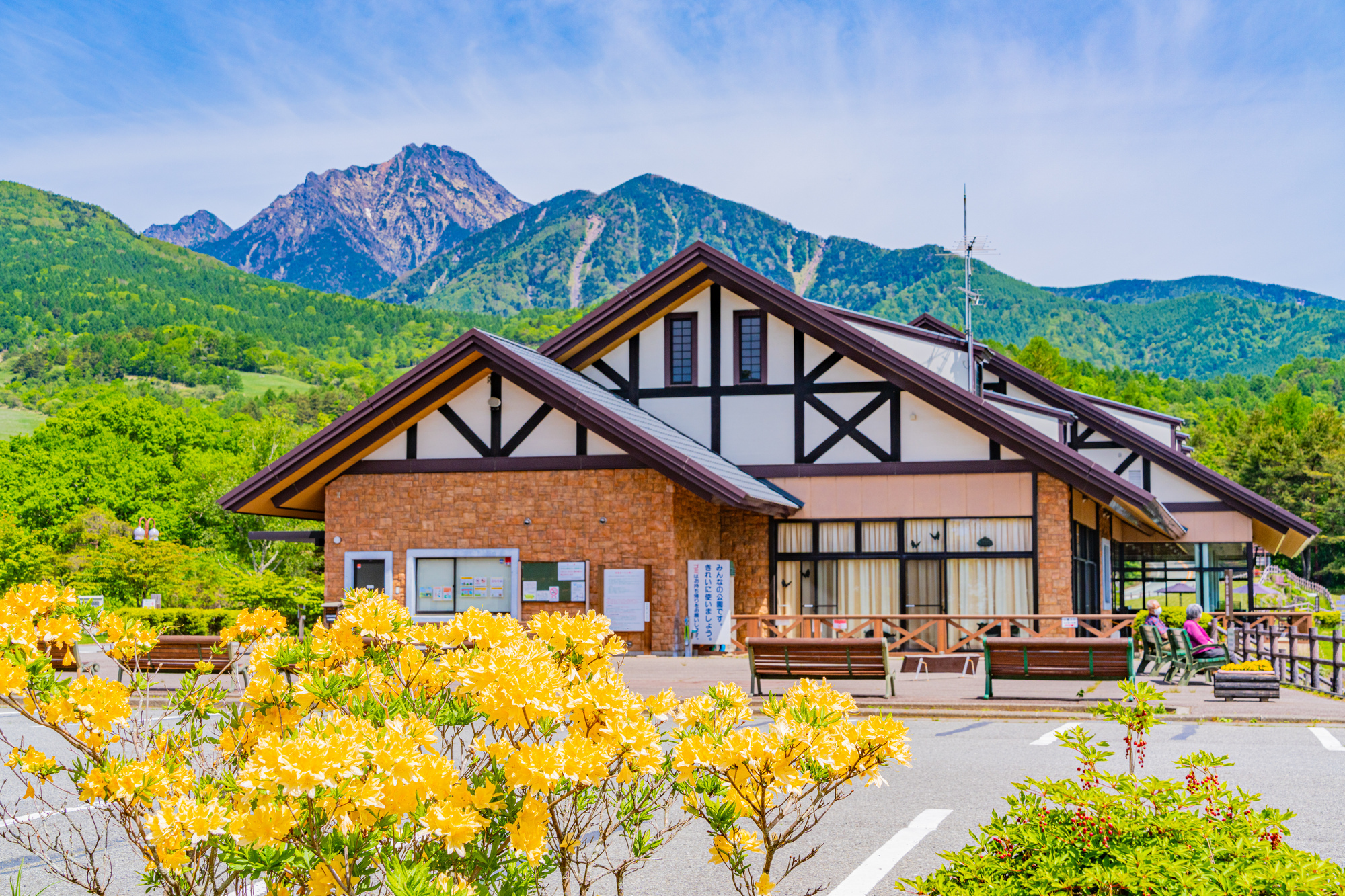
The Yatsugatake mountain range rises along the border of Nagano and Yamanashi prefectures. Its southern foothills, centered on Hokuto City in Yamanashi Prefecture—including Kobuchizawa, Kiyosato, Oizumi, Nagasaka, Hakushu, and Akeno—offer spectacular scenery and a restorative highland getaway.
The area’s greatest appeal is its natural setting. Across slopes ranging from about 600 to 1,400 meters in elevation, long hours of sunshine bring clear skies known locally as “Yatsugatake blue.” The panorama includes Mount Fuji to the south, the Southern Alps, including Mount Kaikoma, to the west, and Mount Mizugaki and Mount Kinpu to the east.
Rain and snowmelt stored in Yatsugatake’s forests filter slowly through underground layers over many years before emerging as clear spring water. Some local springs have been selected for Japan’s list of 100 remarkable waters. This water supports a food culture of fresh highland vegetables, sake, whisky, and handmade soba noodles.
Away from city lights, the night sky fills with stars. People have lived here since the Jomon period; later chapters in the region’s history include pioneering settlements and Western-style dairy farming. Today, cafés, craft workshops, and art galleries add another dimension to a visit.
This guide covers the area’s history and culture, places to visit, seasonal preparation, and ways to respect the environment and local communities. Knowing the stories behind the landscape—and traveling with consideration—can make your stay more rewarding.
1.How Water and Forests Shaped the Southern Foothills
To appreciate Yatsugatake’s scenery more fully, it helps to know something of the land and the people who have lived on it.
1-1. Jomon Culture: A Land That Sustained People in Ancient Times
The area from the southern foothills of Yatsugatake toward Mount Kaikoma is known for its concentration of Jomon sites. Around 5,000 years ago, during the middle Jomon period, its mild climate, abundant springs, nuts such as acorns and chestnuts, and game including deer and wild boar made it a favorable place to live. Numerous sites in and around Hokuto have yielded elaborately decorated pottery and expressive clay figurines. These finds offer a glimpse of the lives and beliefs of the people who lived here thousands of years ago.
1-2. Forests That Filter Spring Water and Sustain Local Cuisine
Yatsugatake is a large volcanic mountain range; one theory holds that it was once taller than Mount Fuji. Its broad foothills, formed through eruptions and collapses, absorb rain and snow like a vast natural sponge. Over decades, water passes through the ground and emerges at the foot of the mountains as fresh groundwater containing minerals. Some of these springs feature on the Ministry of the Environment’s list of 100 remarkable waters. They sustain daily life and agriculture, helping produce rice, sweet highland vegetables, handmade soba, sake, and whisky.
1-3. The Settlement of Kiyosato and the Beginnings of a Highland Resort
Kiyosato’s pastoral, Western-influenced resort character has roots in the difficult settlement efforts of the early Showa period. In the 1930s, American missionary Dr. Paul Rusch worked to introduce dairy farming and agriculture suited to the cold climate as a response to rural poverty and depopulation. The Kiyosato Educational Experiment Project, known as KEEP, became a base for this work, with Seisen-ryo among its emblematic facilities. Together with local residents, he developed land, raised Jersey cattle, and cultivated highland vegetables. The determination of those settlers helped shape the landscape visitors see today.
1-4. A Home for Artists and Craftspeople
Drawn by the scenery, quiet, and abundant light, painters, photographers, ceramic artists, and woodworkers have made their homes in the southern foothills. Distinctive museums, galleries, and workshops can be found throughout the area.
2.Planning Your Trip to the Highlands
Attractions are spread across a wide area, so a little preparation will help you make the most of your visit.
2-1. Getting Here from Tokyo and Other Major Cities
From the Tokyo metropolitan area, the journey takes around two hours by train or car, depending on your starting point and traffic.
- By train: From JR Shinjuku Station, take the Azusa limited express to JR Kobuchizawa Station, a journey of about two hours. From the Nagoya area, take the Shinano limited express to Shiojiri Station and transfer to the JR Chuo Main Line for Kobuchizawa.
- By car: Use the Chuo Expressway. From the Tokyo direction, it takes about two hours from Takaido Interchange to the Kobuchizawa, Nagasaka, or Sutama interchanges, depending on traffic.
2-2. Getting Around: A Car Offers the Most Flexibility
To explore the wider Yatsugatake area at your own pace, consider driving your own car or renting one near Kobuchizawa Station.
- Car or rental car: A car makes it easier to visit cafés and scenic spots without planning around timetables.
- JR Koumi Line: This local railway passes through the highest-altitude section of any JR line in Japan and offers fine views. Services are limited, so check the timetable before setting out.
- Circuit buses and e-bikes: If you do not drive, seasonal sightseeing buses and rental electric-assist bicycles offer other ways to explore, including visits to cafés near stations.
2-3. Elevation and Temperature: What to Wear Each Season
Hokuto spans elevations of about 600 to 1,400 meters, so temperatures can differ considerably within the city. As a rough guide, air temperature falls by about 0.6°C for every 100-meter rise in elevation.
- Spring (April–May): Days may be warm, but mornings and evenings can approach freezing. Bring a light down jacket or spring coat.
- Summer (June–August): The cool highlands are a welcome escape, but the sun can be strong. Protect yourself from the sun and pack a long-sleeved layer for evenings or rainy days.
- Autumn (September–November): Mornings and evenings grow cold from around late September. From October, bring warm layers such as thick fleece or a down jacket.
- Winter (December–March): Temperatures can stay below freezing even during the day. Wear warm, slip-resistant footwear and winter clothing. If driving, fit winter tires.
3.Places to Visit and Etiquette by Area
3-1. Kobuchizawa: Nature, Culture, Tradition, and Rest
- Misogi Shrine
Set in a forest in Kobuchizawa, the shrine conveys a form of ancient Shinto faith rooted in nature and life. Its most striking feature is the Noh theater built over a sacred pond. Made of Kiso cypress, this open-air stage is reflected in the water and hosts the annual Yatsugatake Takigi Noh performance on August 3. The main sanctuary enshrines Amaterasu Omikami. Built over many years by skilled shrine carpenters using Aomori hiba cypress, it follows the traditional yuitsu-shinmei-zukuri architectural style. Its unpainted wood and clean lines invite quiet reflection. According to a priest at the shrine, its roots lie in Inoue Shrine, dedicated to Inoue Masakane of the late Edo period, and its teachings emphasize gratitude for nature and life.
On the 2nd, 12th, and 22nd of each month, the shrine holds Kasho Shinji, a fire ritual in which flames are used in prayers for purification and to convey wishes to the deities. Anyone may attend the approximately 30-minute ceremony. It offers visitors a chance to experience a traditional Japanese form of prayer.
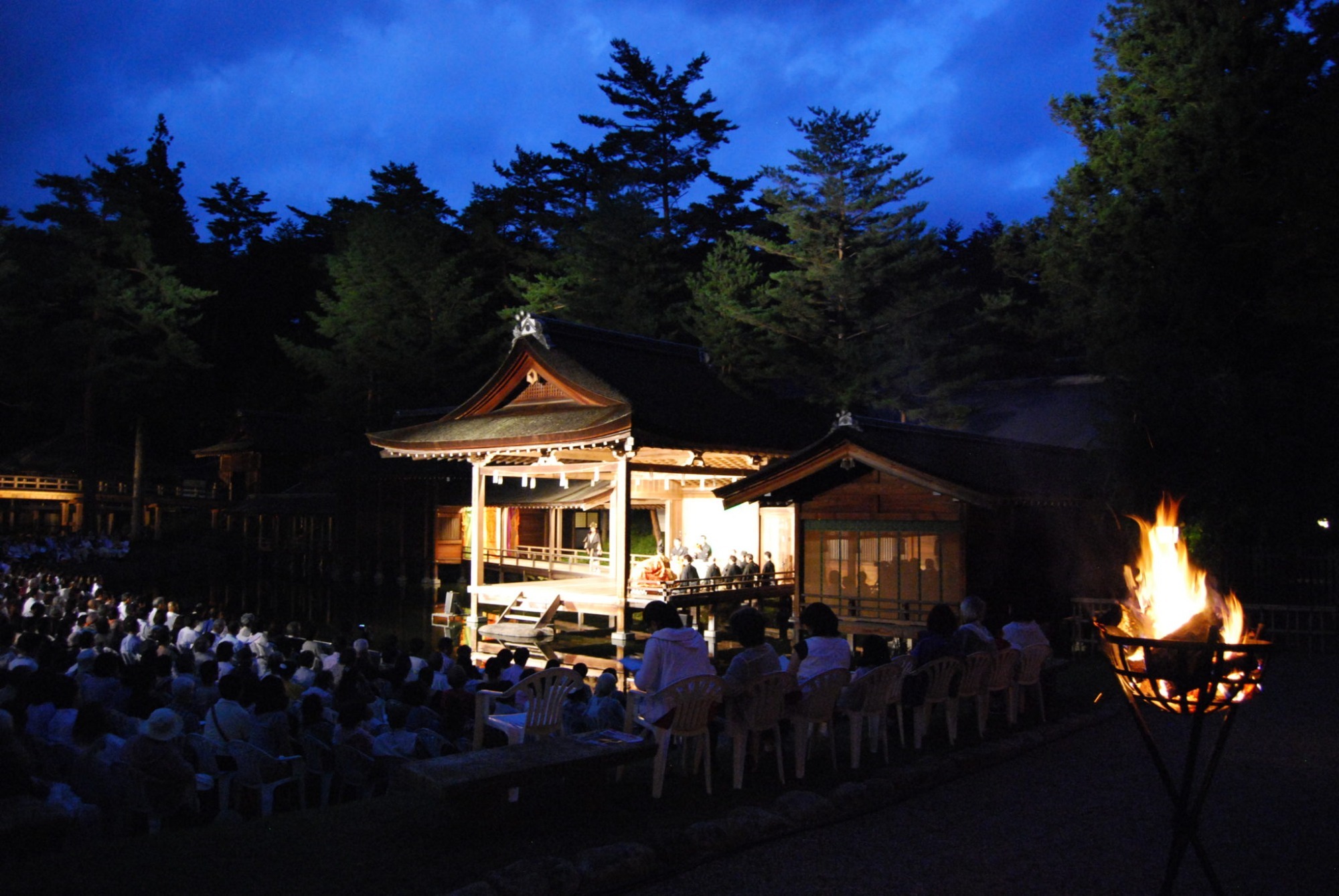
Scenes from the Yatsugatake Takigi Noh at Misogi Shrine
NEWS On May 10, 2025, the Nihon Keizai Shimbun ranked Yatsugatake Takigi Noh eighth in its list of ten outdoor Noh performances to enjoy while traveling.
| [Shrine etiquette] A shrine is a place for prayer and gratitude. The theater over the water makes a memorable photograph, but keep your voice down and stay out of restricted areas. Purify your hands and mouth at the water basin before approaching the shrine, and take a moment to reflect on the gifts of nature. |
| Misogi Shrine 3401 Kamisasao, Kobuchizawa-cho, Hokuto, Yamanashi 408-0041, Japan |
- Hoshino Resorts RISONARE Yatsugatake
This resort hotel evokes a European mountain town. Its main street, Piment Street, is lined with shops and cafés and is also open for non-guests to explore.
| [Visitor etiquette] Respect spaces reserved for hotel guests. If arriving by car for a day visit, use the designated day-visitor parking area. |
- Nakamura Keith Haring Collection
This museum houses works by Keith Haring, a leading figure in 1980s New York pop art. Its innovative architecture contrasts with the surrounding forest.
3-2. Kiyosato: Pastoral Scenery and the History of Settlement
- Seisen-ryo
A symbol of Kiyosato’s pioneering history and an early destination for Yatsugatake visitors. From around its red-roofed buildings, you can enjoy sweeping views toward Mount Fuji and the Southern Alps.
Famous soft serve: Try the rich Jersey milk soft serve. Queue considerately, and dispose of packaging in the bins provided.
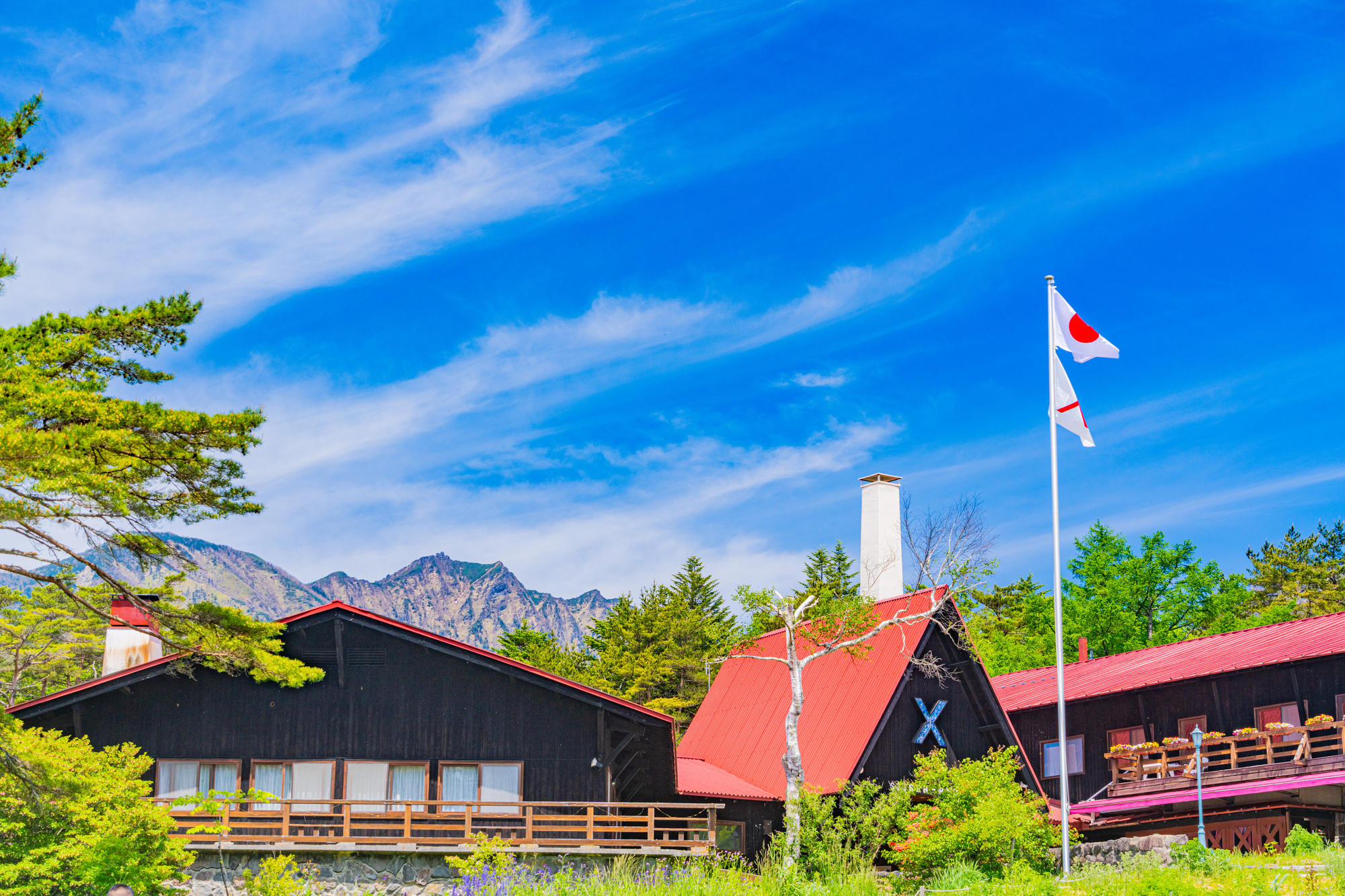
- Makiba Park
This spacious park occupies part of the prefectural Yatsugatake Ranch. Goats, sheep, and ponies live amid its green pastures.
| [Important etiquette around animals] 1. Do not feed them: Never give animals food you have brought or grass picked from the ground; it can cause digestive problems. 2. Help prevent disease: If disinfectant mats are provided at the entrance, use them to clean the soles of your shoes. 3. Stay behind fences: For everyone’s safety, do not climb over barriers or startle animals with flash photography. |
- Moegi no Mura
Shops, restaurants, and a music box museum are dotted around this garden village in the forest. The bacon curry at its ROCK restaurant is particularly popular.
3-3. Hakushu and Mukawa: Clear Streams and Greenery
- Ojiragawa Gorge
Fed by Mount Kaikoma, this exceptionally clear stream is known for its emerald-green water. Pools and waterfalls, including Senga-buchi, make it popular in summer.
| [Visitor etiquette] Paths through the gorge are mountain trails. Wear sturdy shoes rather than sandals, and take all your rubbish home. |
- Suntory Hakushu Distillery and Chateraise Hakushu Factory
A whisky distillery and a sweets factory in a forested area supplied by water from the Southern Alps.
| [Visitor etiquette] Tours require advance reservations; check the official websites for current details. Drivers must not sample alcoholic drinks. |
3-4. Akeno, Oizumi, and Nagasaka: Sunflowers and Panoramic Views
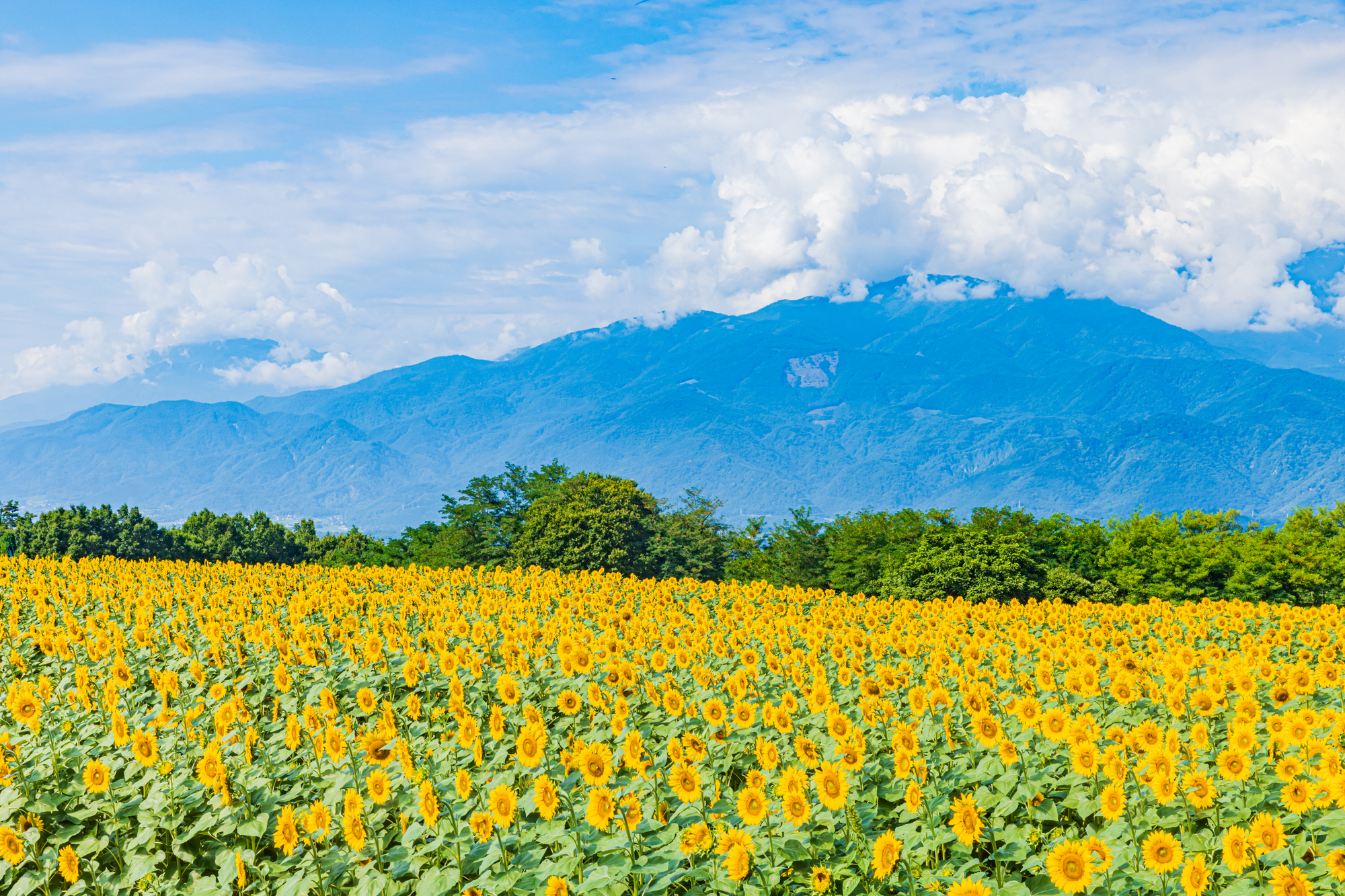
- Hokuto City Akeno Sunflower Festival
In summer, hundreds of thousands of sunflowers bloom against a backdrop of the Southern Alps.
| [Visitor etiquette] Farmers carefully tend these fields. Do not enter the planted areas for photographs or damage the flowers. |
- Sanbuichi Yusui
This spring is said to yield about 8,500 tons of water a day. According to local legend, during the Warring States period, its water was divided equally among three villages to prevent disputes.
3-5. Stargazing Spots and Nighttime Etiquette
Yatsugatake’s elevation and relatively low levels of artificial light make it a popular destination for stargazing. The Utsukushimori parking area and Hirasawa Pass are among the viewing spots.
| [Nighttime etiquette] 1. Car lights: Once you have parked at a viewing spot, turn off your headlights promptly. 2. Flashlights and phones: Do not aim their light upward or toward other people. 3. Engines and noise: Sound carries at night. Switch off your engine and keep conversations quiet. |
Residents and earlier generations have worked to protect the area’s nature and way of life. Visitors can help by treating the place with the care they would show their own community.
4-1. Highland Driving: Protect Wildlife and Drive Safely
Roads wind through natural forests, where you may encounter wildlife.
- Avoid collisions: Japanese deer, foxes, and other animals may suddenly cross the road. Slow down and watch carefully, particularly at dusk, at night, and in the early morning.
- If you see an animal: Do not repeatedly sound your horn, use flash photography, get out of your car to approach it, or feed it. Feeding wildlife can disrupt the ecosystem.
4-2. Dining and Shopping: Respect Local Businesses
- Queues and reservations: Popular places get busy on weekends, and some soba restaurants close when they run out of freshly prepared noodles. Leave time in your schedule, and wait quietly without disturbing neighbors.
4-3. In Nature: Leave No Trace
- Take your rubbish with you: Bins may not be available at sightseeing spots or along hiking trails. Bring any waste back to your accommodation or home.
- Protect native wildlife and plants: Do not take alpine plants, insects, or stones from their natural setting.
- Stay on marked paths: Walking off the trail can damage plants and erode soil.
4-4. Farmland and Private Property: Respect the People Who Live Here
Fields and pastures are places where farmers work, and many are private property.
- Do not enter fields or pastures without permission: Pests or pathogens carried on shoes can harm crops. Do not step onto rice-field ridges or into pastures for a photograph; take pictures from public roads instead.
4-5. Traveling with Pets
Yatsugatake is popular with dog owners, and considerate behavior helps everyone enjoy a visit.
- Keep dogs on a lead: Keep your dog on a short lead wherever required.
- Clean up after your pet: Take droppings away with you, and carry water to rinse places where your dog urinates.
5.Suggested Itineraries
5-1. [Day Trip] Springs, History, and Scenic Views by Car
- 9:00 a.m.: Arrive at Kobuchizawa Interchange.
- 9:15 a.m.: Visit Misogi Shrine. See the Noh theater over the pond and enjoy the peaceful forest setting.
- 10:45 a.m.: Walk around Sanbuichi Yusui and discover the story of its three-way water division.
- Noon: Have lunch in Kobuchizawa or Oizumi. Try handmade soba prepared with local spring water.
- 2:00 p.m.: Visit Seisen-ryo in Kiyosato for expansive views and Jersey milk soft serve.
- 3:30 p.m.: Stroll through Makiba Park and watch the animals from the designated areas.
- 5:00 p.m.: Shop for highland vegetables and other local products at Michi-no-Eki Kobuchizawa, then head home via Kobuchizawa Interchange.
5-2. [One Night and Two Days] Art, Stars, and Local Food
- Day 1:
・Morning - Arrive at JR Kobuchizawa Station, pick up a rental car, and visit the Nakamura Keith Haring Collection.
・Lunch - Eat on Piment Street at RISONARE Yatsugatake.
・Afternoon - Drive to Hakushu for a short hike to Senga-buchi in Ojiragawa Gorge.
・Evening - Check into an auberge or guesthouse and enjoy a dinner featuring local ingredients.
・Night - Head to the Utsukushimori parking area for stargazing. Dress warmly and follow the nighttime etiquette above. - Day 2:
・Early morning: Take a walk in the fresh highland air.
・Morning: Explore Moegi no Mura’s gardens and music box museum.
・Lunch: Try the curry at ROCK in Moegi no Mura.
・Afternoon: Visit the Hirayama Ikuo Silk Road Museum or another nearby attraction.
・Evening: Return your rental car at Kobuchizawa Station and take the Azusa limited express home.
Take the Fresh Air of Yatsugatake Home with You
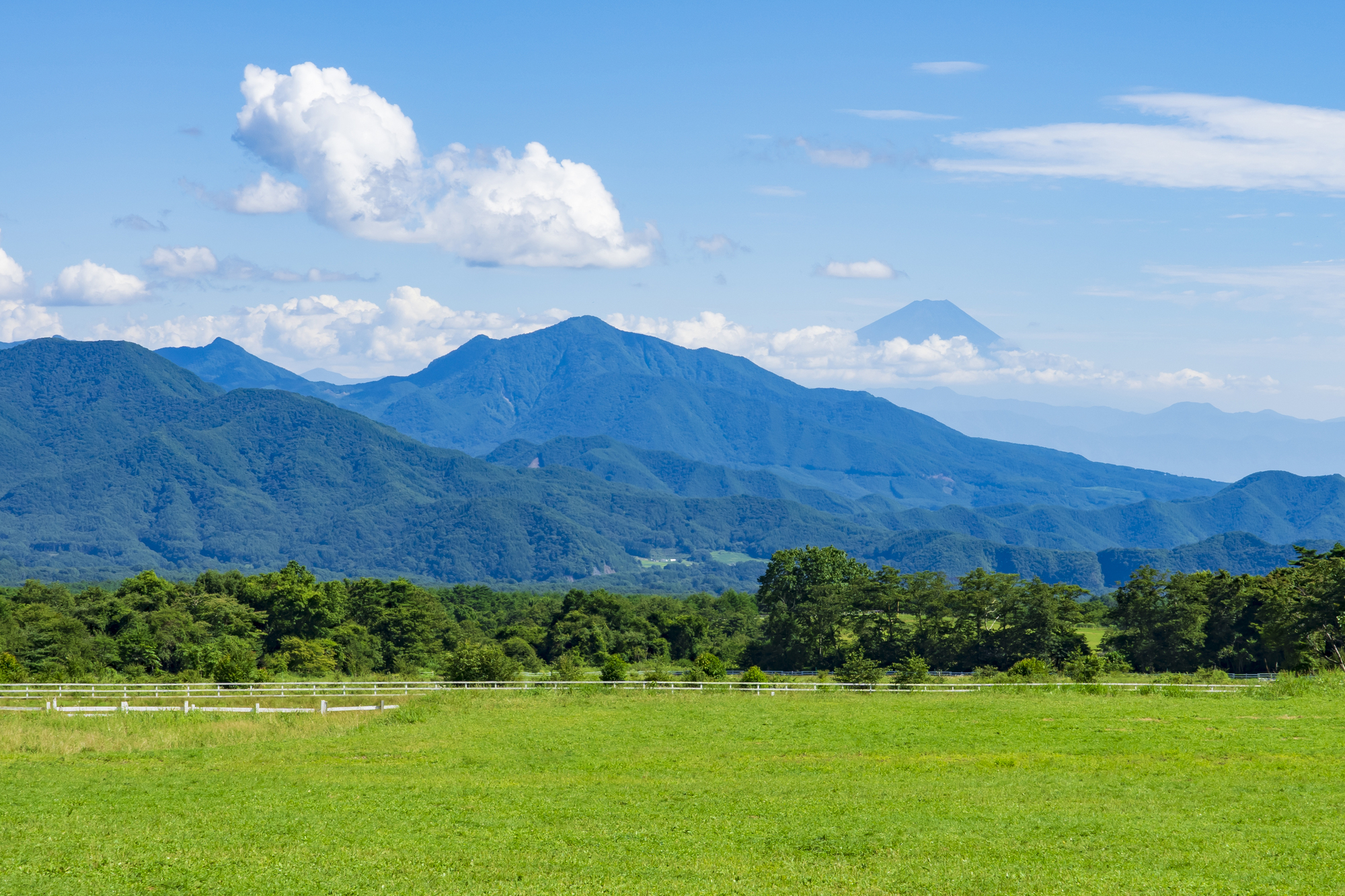
The southern foothills of Yatsugatake invite more than a hurried tour of attractions. Sunlight filtering through trees, the cool touch of spring water, fresh highland breezes, and stars shining in the quiet night offer a chance to slow down and engage your senses.
The Shinto priest at Misogi Shrine teaches that whether it is the "air" we breathe or the "food" we receive every day, we are kept alive thanks to the unseen blessings of Mother Nature. Standing on the land of Yatsugatake and feeling its abundant gifts firsthand, one can truly recall a genuine sense of gratitude toward nature.
The etiquette in this guide is a way of caring for Yatsugatake’s landscape and the people who have made their homes here for generations. Small acts of consideration help preserve the area for future visitors and children.
Treat the natural surroundings with respect, take your time, and enjoy a memorable journey through Yatsugatake.